What Color to Wear for Exam Luck: A Calm Guide
If you want one clear answer, wear blue for exam luck. Blue is the safest exam color because it supports calm focus, careful reading, and a cooler state under pressure. If blue does not match what you need, choose green for emotional steadiness, brown or Tiger Eye tones for grounding, a small gold accent for confidence, or a small red detail for good-fortune warmth.
An exam lucky color should not be treated as a promise of a score. It is better understood as guidance. You choose a color because you want to enter the exam with a certain state: clear, steady, grounded, confident, or encouraged. The color becomes useful when it helps you remember how to act inside pressure.
The Short Answer: Blue Is the Best Color for Exam Luck
Blue is the best overall color to wear for exam luck because most exams reward calm attention more than excitement. You need to read the question carefully, remember what you studied, manage time, and keep your body from overheating with stress. Blue supports that mood better than louder colors.
This does not mean every student must wear blue. It means blue is the safest starting point. If you are not sure what color to choose, blue gives the clearest message: slow down, read well, think cleanly, and answer what is being asked.
For a written exam, blue can support careful reading. For an oral exam, it can support clearer expression. For a language exam, it can help the mind stay organized. For a final exam, entrance exam, or certification test, it can act as a quiet reminder that your job is not to panic. Your job is to move through the paper one step at a time.
The right exam color is not the one that promises the result. It is the one that helps you enter the state where your preparation can show.
If the exam is heavy on reading, essays, or language, blue should stay at the center. If the exam is long and emotionally draining, add green to keep the pace steady. If the exam is technical, timed, or full of step-by-step problem solving, brown or Tiger Eye tones can be more useful than a bright color. If the exam includes a presentation, oral defense, or interview-style answer, a small gold accent can help the student feel visible without becoming loud.
Why Lucky Colors Are Guidance, Not a Score Promise
People search for exam lucky colors because exams feel uncertain. You can study for weeks and still feel nervous on the morning of the test. A color, bracelet, necklace, small charm, or clothing detail can make that morning feel more ordered. That matters.
The mistake is to turn color into a replacement for preparation. A color cannot learn the material for you. It cannot manage your sleep, read the question, or choose the answer. But it can help you hold a state long enough to use what you already prepared.
This is why TheFuMaster treats lucky colors as a kind of wearable direction. If you believe in the color, that belief can become a signal. If you do not believe in it, it may remain only a color. But for the person who is already searching, the signal has value. It gives the mind a place to land before pressure begins.
That is the useful version of exam luck: not asking the outside world to hand you a score, but choosing one visible reminder that helps your inside world become less scattered.
Blue: Calm Focus, Careful Reading, and Clear Expression
Choose blue when the main thing you need is focus. Blue feels cool, quiet, and mentally clean. It is especially helpful if your nervous system becomes too hot before exams: racing thoughts, fast breathing, over-reading the question, or changing answers because fear starts talking louder than memory.
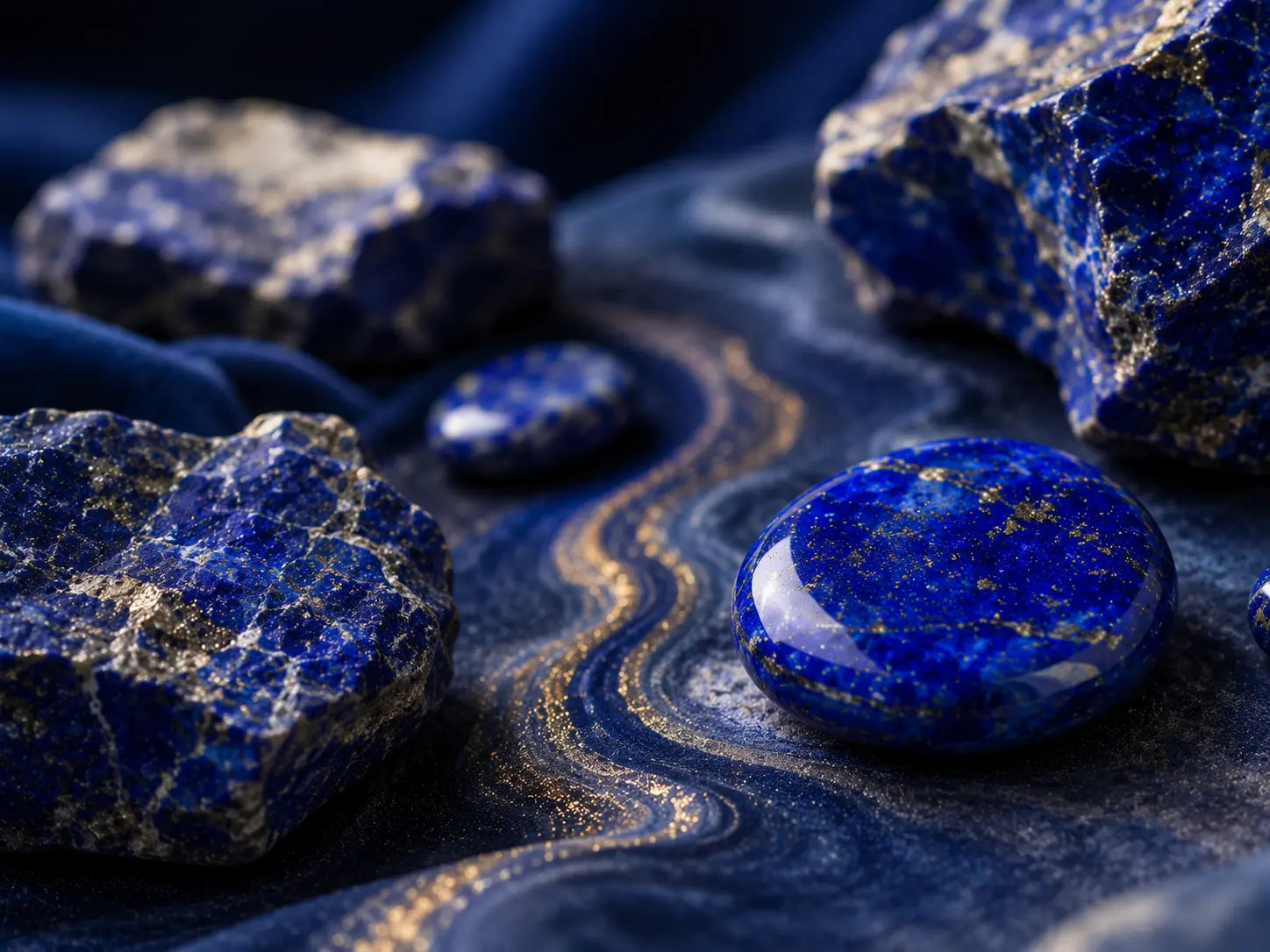
In symbolic jewelry, deep blue stones such as Lapis Lazuli are often connected with clarity, wisdom, and truthful expression. For exams, that meaning is easy to understand. You want your mind to become clear enough to receive the question, recall the material, and answer with structure.

The Lapis Lazuli 108 Mala Necklace is a strong example of this blue direction. Worn as a necklace before the exam, or wrapped at the wrist when allowed, it works best as a calm focus cue. It is not a shortcut to an outcome. It is a visible sentence: read clearly, breathe first, answer from what you know.
Blue is also a good choice for students who tend to become emotional under pressure. It does not add fire to the body. It cools the atmosphere. That is why blue is the first answer for most exam situations.
Green: Emotional Steadiness When You Feel Anxious
Choose green when your biggest issue is not knowledge, but emotional steadiness. Some students study enough, but when the exam begins they feel watched, judged, or flooded. Green is useful because it feels softer than blue and less activating than red or gold.
Green carries the feeling of growth, balance, and patience. It reminds the student that learning is a process, not a single moment of judgment. For someone who becomes tense in the exam room, green can support the intention: stay with the whole paper, not only the first difficult question.
This is important because many exams are lost in rhythm, not knowledge. One hard question appears early, the body panics, and the mind starts predicting failure. A green cue can help interrupt that pattern. It says: keep going, return to the page, let the next question be the next question.
Green is especially appropriate for long exams, students who fear disappointing their family, or anyone who tends to punish themselves while thinking. It carries a gentler instruction than "perform." It says: stay steady.
Brown and Tiger Eye Tones: Grounding When You Rush or Panic
Choose brown, earth tones, or Tiger Eye colors when you need grounding. This is the color family for students who know the material but lose control under pressure. They rush, skip steps, jump between questions, or make small mistakes because the body wants to escape the exam faster than the mind can think.
Brown brings attention back to the ground. It is not dramatic. It is not flashy. It reminds you of the body: feet on the floor, pencil in the hand, eyes on the line, one problem at a time.
Tiger Eye adds a stronger action quality to this earth tone. Its brown-gold bands make it a good choice when you need both steadiness and courage. For exams, Tiger Eye is less about looking lucky and more about disciplined movement: read, choose, solve, check, move on.
The Tiger Eye Sovereign Bracelet is a useful TheFuMaster example for this state. Its meaning fits grounded confidence, clear direction, and steady movement. If blue feels too quiet for you, Tiger Eye tones can give the exam morning more weight and resolve.
This is a strong choice for math tests, technical exams, practical certifications, or any test where you must work through steps instead of relying on mood. The message is simple: one question at a time.
Gold: A Confidence Accent, Not a Full Display
Gold can be useful when the student has prepared but does not believe they are ready. Some students know more than they think. Their problem is not attention. It is permission. They need a small signal that says: I can enter the room. I can take my place. I can use what I know.
For that reason, gold works best as an accent. A small gold bead, a fine metallic detail, a tiny charm, or a warm gold line in the outfit can support confidence without becoming visually loud. Too much gold can feel like performance. For an exam, you usually want quiet confidence, not display.
Use gold when the body feels dull, discouraged, or too small. Do not use it to force excitement. The best gold for exam day is warm and contained. It should feel like a small lamp, not a stage light.
Red: Good-Fortune Warmth, Best Used Lightly
Red matters in Eastern color language. It carries vitality, celebration, important beginnings, and good-fortune warmth. For many students and families, a small red detail before an exam feels encouraging. It says: this moment matters, and you are supported.
But red is powerful. That is why it should be used carefully on exam day. If a student is already anxious, a full red outfit can feel too activating. It may make the body feel hotter, faster, or more watched. In that case, red should become a detail rather than the whole message.
A thin red cord, a small red bead, a red stitch inside the sleeve, or a tiny red accessory can carry the meaning without taking over the body. This is the better exam use of red: encouragement without overstimulation.
Choose red when you want courage and warmth. Choose blue or green when you need calm first. The state matters more than the lucky list.
What Color Bracelet Should You Wear for an Exam?
If you want a bracelet specifically, choose by the state you need most. Do not choose only because a color is called lucky. Choose the color that helps you become more ready for the exact kind of pressure you face.
- Blue bracelet: best for calm focus, memory, careful reading, and clear expression.
- Green bracelet: best for emotional steadiness, balance, and finishing the whole exam with a steady pace.
- Brown or Tiger Eye bracelet: best for grounding, pressure control, step-by-step problem solving, and confidence without rushing.
- Gold accent bracelet: best for quiet courage when the student has prepared but feels small.
- Small red detail: best for good-fortune warmth and encouragement, especially when used lightly.
For broader options, the Clarity & Focus collection is the most natural place to start. If you prefer wrist-based reminders, the Bracelets collection makes it easier to compare color, material, and daily-wear comfort.
Comfort matters. A bracelet that clicks against the desk, catches on the sleeve, feels too tight, or makes you keep checking it is not helping. Exam jewelry should be quiet enough to disappear until you need the reminder.
What Should Parents Choose for a Child Before an Exam?
Parents often want to give a child something lucky before an important exam. The intention is loving, but the wording matters. A gift should reduce pressure, not add it.
If the child is anxious, choose blue or green. Blue says: read clearly and breathe. Green says: stay steady through the whole paper. These colors feel supportive without making the child feel they must perform for the object.
If the child lacks confidence, blue with a small gold accent can work well. The blue keeps the mind clear, while the gold adds a small sense of courage. If the family wants a good-fortune color, use red lightly as a detail rather than turning the whole gift into pressure.
The gift sentence should be simple. Do not say, "This will make you pass." Say, "Wear this as a reminder to breathe, read carefully, and trust your preparation." That sentence carries belief without loading the child with fear.
What If the Exam Does Not Allow Jewelry?
Always follow exam rules first. Some exams do not allow bracelets, necklaces, watches, certain accessories, or anything that could be interpreted as unauthorized material. If the rules say no jewelry, do not wear jewelry into the room.
The color cue can still work before the exam. You can use a blue notebook while reviewing outside the room, a green card in your bag, a brown pen case, a small red detail on clothing, or a phone wallpaper before the phone is turned off and stored. The point is not to keep the object with you every second. The point is to let the color set your state before you begin.
If you cannot wear a bracelet, use the reset without the object. Name the color in your mind. Say the instruction it represents. Then enter the exam with the behavior: read first, answer what is asked, move one step at a time.
A 3-Minute Exam-Day Color Reset
Use the color before the exam as a reset, not as a substitute for preparation. This keeps the meaning practical and strong.
- Look at the color. Let blue mean focus, green mean steadiness, brown mean grounding, gold mean quiet confidence, and red mean encouragement.
- Name one intention. Keep it short. "I read carefully." "I stay steady." "I move one step at a time."
- Check the practical items. Admission ticket, ID, pencils or pens, calculator if allowed, water if allowed, time, room, and rules.
- Slow the body. Take one quiet breath and relax the shoulders.
- Enter with one action sentence. Read first. Answer what is asked. Return to the next question.
Oregon State University's test-anxiety guidance points toward similar practical habits: prepare materials, avoid last-minute panic, scan the test, answer known questions first, and use breathing to return to the current task. TheFuMaster's color approach belongs in that same grounded lane. It adds meaning, but it still points back to action.
Manifestation for Exams, Without False Promises
Exam manifestation is not asking a color to create a score. It is using color to align attention, belief, preparation, and action before pressure begins.
This is where belief matters. If a student chooses blue the night before an exam and says, "Tomorrow I will read clearly," that is not empty. It gives the mind a direction. If a student chooses green and says, "I will stay steady through the whole paper," that belief can shape the next morning's behavior.
The belief becomes real when it changes action. You sleep earlier. You pack your materials. You stop reviewing at the last second. You read the question twice. You do not let one hard question destroy the whole exam. You keep moving.
That is the TheFuMaster meaning of believing in a lucky color: not waiting for the color to work for you, but letting the color remind you who you are practicing to become under pressure.
Common Mistakes to Avoid
The first mistake is choosing a color only from a list without looking at your state. Red may be called lucky, but if it makes your body feel hotter and more anxious, it is not the right exam color for you. Blue may be calming, but if you feel dull and discouraged, you may need a small gold accent.
The second mistake is wearing something uncomfortable. A noisy bracelet, tight ring, heavy necklace, or distracting accessory can break concentration. Exam meaning should stay quiet.
The third mistake is breaking exam rules. No color meaning is worth risking disqualification or unnecessary stress. If jewelry is not allowed, use the color before the exam and leave the item outside.
The fourth mistake is letting parents or friends turn lucky colors into pressure. A color should feel like support, not a demand. The best color gift says, "You are prepared. Return to yourself." It does not say, "You must prove this worked."
The fifth mistake is using color as an excuse not to study. Lucky colors work best when they meet preparation. Without preparation, color becomes decoration. With preparation, color becomes a signal.
Final Recommendation
For most students, the best color to wear for exam luck is blue. It is calm, clear, and suitable for the kind of attention exams require. If your main challenge is anxiety, choose green. If your challenge is rushing or panic, choose brown or Tiger Eye tones. If you need courage, add a small gold accent. If you want good-fortune warmth, use a small red detail.
Do not choose the loudest color. Choose the color that helps you enter the state you need. That is the real value of exam luck: not a promise from the outside, but a clearer alignment inside yourself.
FAQ
What color should I wear for exam luck?
Wear blue if you want one clear answer. Blue is the safest color for exam luck because it supports calm focus, careful reading, and clear thinking under pressure.
What is the luckiest color for exams?
Blue is the best overall exam luck color. Green is better for anxious students, brown or Tiger Eye tones are better for grounding, gold is good as a confidence accent, and red works best as a small encouraging detail.
Is blue good for exams?
Yes. Blue is especially good for exams because it feels calm, clear, and mentally organized. It is a strong choice for written exams, oral exams, language tests, finals, and entrance exams.
Is red good for exam luck?
Red can be good as a small good-fortune detail, but it may feel too activating for anxious students. Use red lightly, such as a small cord, bead, or hidden accent, rather than making it the main exam color.
What color should I wear if I have test anxiety?
Choose blue or green. Blue supports calm focus and careful reading. Green supports emotional steadiness and a slower, more balanced pace through the whole exam.
What color bracelet is best for exam focus?
A blue bracelet is best for focus. Lapis Lazuli is a strong blue example for clarity and expression. Tiger Eye is better when the student needs grounding, confidence, and one-question-at-a-time steadiness.
Can I wear jewelry during an exam?
Only if the exam rules allow it. If bracelets, necklaces, or accessories are not allowed, use the color cue before the exam and leave the item outside the room.
What if my exam does not allow bracelets?
Use the color before the exam instead. A blue notebook, green card, brown pen case, or small clothing detail can set the same intention before you enter. The real cue is the action you remember.
Can manifestation help before an exam?
Manifestation can help when it means aligning attention, belief, preparation, and action. It becomes misleading if it is framed as using color to create a certain score without study or effort.
Do lucky colors replace studying?
No. Lucky colors should support preparation, not replace it. Study, sleep, pack your materials, follow exam rules, and use the color as a cue to stay focused and steady.