Tree of Life Symbol Meaning: Roots, Growth, and Connection
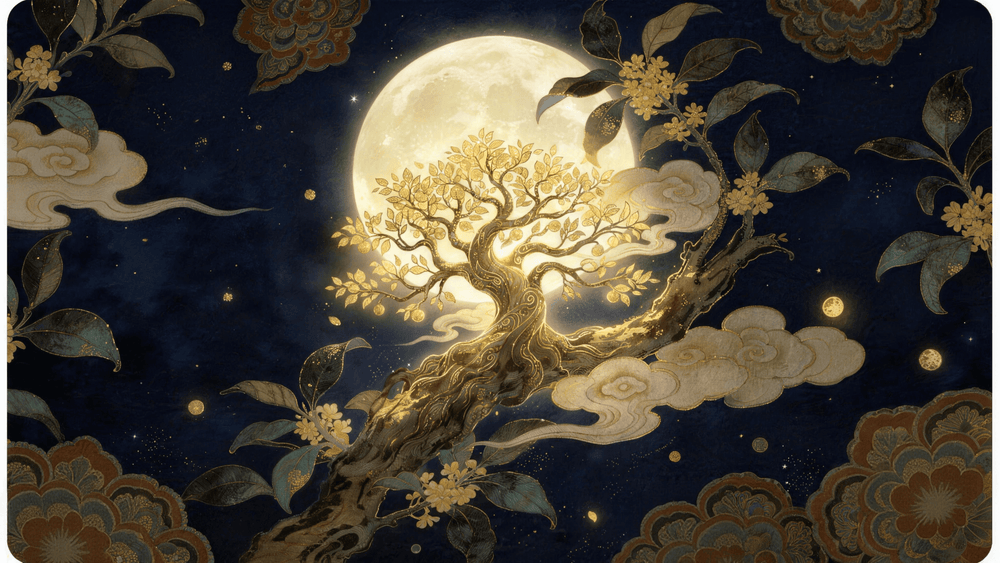
The Tree of Life symbol means rooted growth, continuity, family connection, and the ability to keep expanding without losing foundation. Its roots point to origin and support, its trunk suggests steadiness in the present, and its branches show growth, choice, and future direction. In jewelry, it becomes a daily reminder to grow with roots, not drift without them.
That meaning is simple, but it is not shallow. A tree is one of the easiest forms for the human body to understand. Roots go down. Branches move outward. The trunk carries the middle. A life that only reaches upward becomes unstable. A life that only clings to the past stops growing. The Tree of Life holds both needs in one image.
This guide explains Tree of Life symbol meaning, roots and branches, family symbolism, personal growth, necklace meaning, gift use, and how to choose Tree of Life jewelry in a grounded way that avoids exaggerated claims.
What Does the Tree of Life Symbol Mean?
The Tree of Life represents rooted growth. It is a symbol of life continuing through change: a person remembers where they come from, stands in the present, and keeps growing into new directions. The roots, trunk, and branches each carry part of the meaning.
Roots suggest foundation. They can represent family, ancestry, values, early experience, culture, memory, or the invisible support that makes visible growth possible. Branches suggest expansion. They can represent choices, relationships, dreams, children, projects, learning, and the future opening outward.
The trunk sits between roots and branches. It is easy to overlook, but it may be the most human part of the image. The trunk is the life being lived now. It holds pressure from above and below. It carries what came before while supporting what is still becoming.
The Tree of Life is not only a symbol of growth. It is a reminder that real growth needs roots, structure, patience, and connection.
Why Roots Matter
Roots are the hidden part of the tree, but they decide how much the tree can hold. In Tree of Life symbolism, roots often point to the sources that shape a person before the world sees the result. Family, place, language, hardship, teachers, habits, losses, and quiet loyalties can all become roots.
Roots are not only about the past. They also shape stability. When life changes quickly, a person with roots has something to return to: a value, a practice, a memory, a promise, a standard, or a relationship that does not disappear with every season.
This is why Tree of Life jewelry can feel especially meaningful during transition. Graduation, moving, becoming a parent, changing work, ending an old chapter, or starting again can all create the same question: what remains true while everything changes? The roots answer that question.
For TheFuMaster, this is the strongest way to read the symbol. Roots are not chains. They are support. A person does not need to stay exactly where they began. But if they forget the unseen foundation, growth can become restless instead of deep.
Trunk and Branches: How Growth Actually Happens
The branches of a tree are easy to admire because they are visible. They move toward light, spread into space, and show how far the tree has grown. In human life, branches can represent new skills, relationships, creative work, children, places, opportunities, and versions of the self that did not exist before.
But branches do not grow in a straight line. They split, bend, turn, and respond to wind and light. This makes the Tree of Life a better symbol than a ladder. A ladder suggests one direction: up. A tree suggests many directions: outward, deeper, wider, slower, stronger, and sometimes back toward balance.
The trunk is the part that makes branching possible. It gathers the force of the roots and gives shape to the branches. Symbolically, the trunk can represent the present self: the person who must make choices, carry memory, decide what to nourish, and decide what to release.
This is useful because growth often requires selection. A tree does not keep every branch forever. People also need to choose. Some patterns are pruned. Some relationships change. Some old identities are honored but no longer repeated. Tree of Life symbolism allows growth to include both continuation and change.
Tree of Life Across Cultures
The Tree of Life appears across many cultures because the image is universal. Human beings everywhere have lived with trees. People see roots, trunks, branches, fruit, leaves, seasons, and return. The form naturally becomes a language for life, connection, and time.
Different cultures have told different stories through tree imagery. Some use a world tree to connect levels of existence. Some use a family tree to describe generations. Some use a branching tree to explain knowledge or descent. In science, the tree of life is also used as a metaphor for the connection and divergence of living beings.
TheFuMaster does not need to claim one single origin for the symbol. That would make the meaning smaller, not larger. The strength of the Tree of Life is that its form can be understood without forcing the reader into one tradition. The roots and branches speak clearly.
For a jewelry wearer, the most useful meaning is not an academic history lesson. It is the living metaphor: I am connected to what came before, I am standing here now, and I am still allowed to grow.
Tree of Life as Family and Ancestry
One of the strongest modern meanings of the Tree of Life is family connection. The phrase "family tree" is already familiar because ancestry naturally feels like roots and branches. Parents, grandparents, children, siblings, and chosen family all become part of the image.
This makes Tree of Life jewelry especially strong as a gift. It can honor a mother, daughter, grandmother, partner, or close friend without needing a long explanation. The message is warm and clear: you are part of something living, and what you give continues through others.
The symbol can also hold memory. A person may wear it to remember someone who shaped them, a place that formed them, or a chapter that still nourishes the present. This does not need to become heavy. The Tree of Life carries memory with growth, not memory without movement.
That balance is important. Family roots can be beautiful, complicated, or both. A mature Tree of Life article should not pretend that every root is simple. Instead, it can say something more honest: we carry what formed us, choose what continues, and grow with more awareness.
Tree of Life as Personal Growth
Tree of Life symbolism is also powerful for personal growth. A tree does not become strong quickly. It grows through seasons, pressure, weather, and time. That slow growth makes the symbol useful for people rebuilding confidence, beginning again, or learning to trust a longer path.
In personal growth, roots can mean values. Trunk can mean discipline. Branches can mean new choices. Leaves can mean visible change. Fruit can mean what the growth eventually gives to others. The whole image reminds the wearer that growth is not only private improvement. It becomes part of relationship.
This is especially relevant for people entering a new chapter: a new job, graduation, parenthood, relocation, a creative project, a business season, or a quieter rebuilding period after loss or change. The Tree of Life does not say the chapter will be easy. It says growth can still be organized around foundation.
A good daily sentence for the symbol is simple: I can grow without losing my roots. That sentence is strong because it does not promise a result. It gives the wearer a direction.
What Tree of Life Is Not
The Tree of Life is not a shortcut around patience, choices, repair, or responsibility. It should not be treated as an object that makes growth happen by itself. A pendant can remind the wearer of a quality, but the quality still has to be practiced.
It is also not only about the past. If the symbol is read only as ancestry, it can become too fixed. If it is read only as growth, it can become too rootless. The full meaning holds both: remember your foundation and keep becoming.
The symbol should not be used to pressure someone into staying in an old role. Roots are not cages. A grounded reading of the Tree of Life allows a person to honor where they came from while choosing where their life needs to branch next.
This boundary keeps the article human. The symbol is meaningful because it helps the wearer return to attention: What is my foundation? What am I growing now? What needs nourishment? What needs pruning? What part of me is ready to branch?
Obsidian Tree of Life Necklace: A TheFuMaster Example
The Obsidian Tree of Life Necklace is a natural product example because the pendant turns rooted growth into a clear wearable form. The dark stone language gives the piece weight, depth, and quiet presence, while the Tree of Life motif keeps the meaning focused on roots, branches, and continuity.

This piece should not be presented as a promise. Its value is more grounded. It gives the wearer a visible cue for a chosen meaning: stay connected to your foundation, grow with patience, and let new branches appear without forgetting the trunk that holds them.
Readers who want to compare the same motif across more designs can explore TheFuMaster's Tree of Life Jewelry collection. If the broader need is calm, balance, and steady presence, the Calm & Balance collection is a better secondary path than older collection language that could pull the article toward riskier claims.
Who Should Choose Tree of Life Jewelry?
Tree of Life jewelry is a strong fit for someone who wants a symbol of rooted growth. It suits people who are changing but do not want to lose themselves in the change. It can also suit people who feel connected to family, ancestry, nature, or the idea of slow growth through seasons.
It is especially fitting for new chapters: graduation, a move, a new job, a new home, becoming a parent, starting a creative project, or entering a season of rebuilding. The symbol carries a message that is steady without being rigid: grow, but stay connected to what gives you depth.
It can also be a meaningful gift for mothers, daughters, grandmothers, close friends, partners, or anyone who has been part of a person's foundation. The Tree of Life can say thank you without becoming sentimental in a thin way. It gives the message a shape.
It may be less suitable if the wearer wants a symbol focused on a very specific theme such as dynamic balance, resource discipline, zodiac identity, or repeated counting practice. In those cases, Yin Yang, Pixiu, zodiac, or mala designs may be clearer. Tree of Life is best when the need is roots, continuity, and growth.
How to Choose Tree of Life Jewelry
Start with the clarity of the motif. A Tree of Life design should show roots, trunk, and branches clearly enough that the meaning can be recognized. Some designs are circular, with branches and roots contained in one frame. Others are more minimal. Choose the level of detail that fits the wearer.
Next, consider the material language. Dark stone can feel deep, quiet, and steady. Green tones can suggest growth and renewal. Brown or wood tones can feel warm and earth-connected. Gold can make the piece feel warmer and more giftable. Silver can feel cleaner and more understated.
Then consider the form. A necklace places the symbol close to the chest, making it feel personal and centered. A bracelet keeps the symbol closer to daily action. A ring follows the hand into work, communication, and decision-making. None is universally better. The right form depends on how the wearer actually lives.
For gifting, choose a piece that matches the relationship. A family gift can be warmer and more expressive. A new-chapter gift can be cleaner and more subtle. A memory gift should be respectful and quiet. A daily-wear piece should be comfortable enough to stay in rotation.
The best Tree of Life jewelry is not the one with the loudest claim. It is the one the wearer can explain in one sentence and wear often enough for the meaning to become familiar.
Tree of Life vs Similar Symbols
Tree of Life is often compared with lotus, jade, Yin Yang, Pixiu, zodiac symbols, and mala beads. Each one carries a different kind of reminder. Lotus often points toward renewal and clarity. Jade points toward refinement and conduct. Yin Yang points toward dynamic balance. Pixiu points toward resource discipline. Zodiac symbols point toward identity and time. Mala beads point toward repetition and focus.
Tree of Life is different because it connects roots and growth in one image. It is not only about becoming new, and it is not only about staying connected to the old. It is about becoming through connection. That makes it especially useful for life transitions where a person needs both stability and permission to change.
If you are choosing between symbols, ask what the wearer needs to remember. If the message is "begin again," lotus may fit. If the message is "act with balanced rhythm," Yin Yang may fit. If the message is "honor your roots and keep growing," Tree of Life is the clearer choice.
This comparison helps keep the symbol from becoming generic. Tree of Life has a specific job inside TheFuMaster's symbolic system: it gives shape to continuity, family, foundation, and patient growth.
Can Tree of Life Jewelry Be a Gift?
Tree of Life jewelry is one of the strongest symbolic gift choices because its meaning is easy to understand and emotionally flexible. It can be given for Mother's Day, graduation, birthdays, new homes, new jobs, family milestones, or seasons of personal change.
For a mother or grandmother, the message can honor roots and continuity. For a daughter or younger family member, it can speak to growth and future branches. For a friend, it can say: you are growing, and I see the roots that helped you get here. For a partner, it can represent a shared life that continues to branch.
The gift note should stay warm and simple. For example: "For your roots and the life still growing from them." Or: "A reminder that growth can be steady, and connection can travel with you." These lines give meaning without turning the jewelry into a claim about what will happen.
A good Tree of Life gift does not need to explain everything. The image does much of the work. Roots, trunk, and branches are familiar enough that the recipient can feel the meaning before reading a long description.
How to Use Tree of Life as a Daily Cue
A daily cue should be plain enough to remember under pressure. When putting on a Tree of Life necklace, the wearer can pause and choose one sentence for the day: I grow from what is true. I can branch without losing my roots. I carry my foundation into the next chapter. I can nourish what I want to see grow.
During the day, the symbol can meet ordinary moments. Before overcommitting, ask what needs nourishment and what needs pruning. Before starting again, remember which roots still support you. Before making a difficult choice, ask whether the branch you are growing is connected to the trunk of your values.
This practice does not need to be formal. The point is not performance. The point is repeated return. Meaning becomes real when the symbol interrupts automatic behavior and brings attention back to a clearer state.
Tree of Life works well because its question is gentle but deep: what are you growing, and what is feeding that growth?
FAQ
What does the Tree of Life symbol mean?
The Tree of Life symbol means rooted growth, continuity, connection, and the ability to keep expanding without losing foundation. Roots suggest origin and support, while branches suggest growth, relationship, and future direction.
Is the Tree of Life a family symbol?
Yes, the Tree of Life is often used as a family symbol because roots and branches naturally suggest ancestry, generations, memory, and continuing connection. It is especially fitting for family gifts.
What do roots and branches mean?
Roots can represent family, values, memory, and unseen support. Branches can represent choices, relationships, growth, children, work, creativity, and future possibilities. The trunk represents the present life holding both.
What does Tree of Life jewelry mean?
Tree of Life jewelry is a wearable reminder of roots, growth, continuity, and connection. It can help the wearer remember where they come from while continuing to grow into new chapters.
Is Tree of Life jewelry a good gift?
Yes. Tree of Life jewelry is a strong gift for mothers, daughters, grandmothers, partners, friends, graduates, new homeowners, or anyone entering a meaningful new chapter.
What does a black Tree of Life necklace mean?
A black Tree of Life necklace can suggest depth, steadiness, and quiet presence. Paired with the tree motif, it becomes a reminder of rooted growth and stable direction.
Is the Tree of Life only tied to one tradition?
No. Tree imagery appears across many cultures and modern contexts. In jewelry, it is often understood through a broad human meaning: roots, growth, family connection, continuity, and life branching outward.
Which TheFuMaster piece fits Tree of Life meaning?
The Obsidian Tree of Life Necklace is the clearest product fit. You can also compare more options in TheFuMaster's Tree of Life Jewelry collection.
Final Thought
The Tree of Life is powerful because it makes growth feel honest. It does not show a life floating without origin. It shows a life with roots, a center, and branches still reaching outward. That is a mature image of becoming.
For TheFuMaster, the symbol's value is not in making large promises. Its value is in attention. It reminds the wearer to grow with patience, honor what formed them, nourish what matters, and allow new branches without abandoning the foundation.
Real growth is not the opposite of rootedness. It is what rootedness makes possible.