Why Jade Symbolizes Virtue, Not Decoration
Jade symbolizes virtue, not decoration, because Chinese culture has long treated jade as a visible standard of character. Its value is not only that it looks beautiful. Jade points to refinement, restraint, clarity, steadiness, and conduct. When worn as jewelry, jade becomes more than an ornament: it becomes a quiet reminder of how a person wants to move through the day.
This is why jade can feel different from trend jewelry. A decorative piece asks first, "How does this look?" A jade piece often asks a deeper question: "What standard does this help me remember?" The answer does not need to be dramatic. It may be as simple as speaking with more restraint, keeping a clearer mind, choosing a steadier pace, or refusing to become coarse under pressure.
For TheFuMaster, jade is not powerful because it makes a promise. It is powerful because it holds a cultural idea close to the body: beauty should not be separated from conduct. The piece can be gentle, wearable, and visually soft, yet still ask something serious of the wearer.
Why Jade Symbolizes Virtue, Not Decoration
Jade symbolizes virtue because its meaning in Chinese culture developed around more than appearance. It became a material through which people spoke about cultivated character. Smoothness, firmness, polish, clarity, and endurance were all read as qualities that could describe a person as well as a stone.
Decoration remains part of jade, of course. Jade can be beautiful. It can be carved, polished, shaped, and worn. But decoration alone is external. Virtue is lived. A jade bracelet may sit on the wrist, but its deeper meaning points toward how the wearer speaks, chooses, responds, and keeps their standard when the day becomes difficult.
This is the central difference. Decoration is about surface. Jade virtue is about surface revealing an inner standard. The beauty of the material matters because it gives that standard a form people can see, touch, and return to.
Jade is meaningful because it asks beauty to carry a standard. It is not only what the piece shows. It is what the piece reminds.
Decoration Is Appearance; Virtue Is Conduct
Decoration can be chosen quickly. A color matches an outfit. A shape catches the eye. A charm looks attractive in a product photo. There is nothing wrong with decoration, but it does not always ask for a relationship. Once the visual moment passes, the piece may not continue to speak.
Virtue works differently. It is not a look. It is a practiced quality. Restraint, kindness, clarity, courage, steadiness, and sincerity have to be repeated through ordinary choices. They appear in how a person answers a message, keeps a promise, waits before reacting, or refuses to lower their standard.
Jade sits between these two worlds. It is visual enough to be worn, but old enough in meaning to point beyond style. A person can choose jade because it looks refined, then keep wearing it because it reminds them to act with refinement.
This is why jade belongs naturally in meaningful jewelry. It does not need to reject beauty. It asks beauty to become useful. A jade piece should look good, but it should also help the wearer remember who they are trying to become.
How Chinese Culture Read Character Into Jade
Chinese jade has a very long history, beginning in early periods of Chinese civilization and continuing through art, personal adornment, elite objects, crafted forms, and daily jewelry. Museum and encyclopedia sources describe jade as one of the most important materials in Chinese cultural history, especially because it carried both beauty and meaning.
Classical Chinese explanations often connected jade with qualities of character. Different sources describe jade through ideas such as kindness, uprightness, wisdom, courage, purity, clarity, and durability. The exact lists may vary by text and tradition, but the larger pattern is consistent: jade was read as a moral image.
This does not mean every modern jade-style bracelet must become a philosophy lesson. It means the symbol has depth. When someone wears jade today, they are not only wearing a color or texture. They are touching a long cultural habit of reading material beauty as a reminder of personal conduct.
The most useful modern translation is simple: jade asks the wearer to keep beauty connected with behavior. A polished object on the wrist should not only make the outside look refined. It should call the inside toward refinement too.
The Physical Qualities Behind Jade Virtue
Jade's physical qualities help explain why it became such a strong metaphor. First, jade is smooth to the touch. Smoothness can suggest gentleness, emotional control, and the ability to move through life without unnecessary harshness. A person with jade-like conduct does not need to be rough to be strong.
Second, jade is firm and dense. It is not easily worked carelessly. This quality can suggest steadiness and internal strength. The metaphor is not about stubbornness. It is about not collapsing under every pressure or trend.
Third, jade is polished through time and skill. A raw stone does not become a finished object by accident. It takes repeated work. This makes jade a useful image for self-cultivation. A person also becomes refined through repeated choices, correction, patience, and pressure.
Fourth, many jade pieces show subtle variation inside the material. Color, translucence, clouding, and depth can suggest that a person is not made meaningful by flat perfection. Character has layers. Refinement does not mean emptiness.
Fifth, jade can be beautiful without being loud. This may be its most important lesson for jewelry. True refinement does not always seek attention. It can stay close, steady, and quiet.
These qualities make jade different from a symbol that relies only on image. The material itself teaches the point. A wearer does not need to memorize a long doctrine; the smoothness, weight, polish, and restraint of the piece already carry the lesson in the hand.
Jade and the Idea of De
One useful way to understand jade virtue is through the Chinese idea of de, often translated as virtue, inner moral power, or cultivated moral bearing. In simple terms, de is not only what a person claims to believe. It is the quality that shows through their conduct.
Jade fits this idea because it makes inner standard visible. The stone is outside the body, but its meaning points inward. It asks whether the wearer is carrying themselves with care, steadiness, and integrity. It does not force that quality into existence. It reminds the wearer to practice it.
This is very different from using jewelry as a shortcut. A jade bracelet does not make a person refined by itself. But it can become a cue. When the wrist moves, the piece appears. When the wearer touches the beads, the standard returns. Over time, repeated reminders can shape attention.
That is the grounded power of jade: not an outside force, but a visible standard that helps a person return to the kind of conduct they respect.
Why Jade Became Wearable Character
Jade became especially meaningful because it could be worn. A symbol on a wall can be admired. A symbol on the body becomes part of action. It moves with the hand, rests near the pulse, touches clothing, and appears in small daily moments.
A bracelet is particularly practical. It appears when a person types, writes, holds a cup, opens a door, signs a document, or pauses before responding. If the wearer understands the meaning, the bracelet can turn an ordinary moment into a small return to standard.
This is why jade jewelry can be powerful without being dramatic. It does not need a special setting. It works during the workday, at home, while traveling, or in a quiet morning. Its meaning is strengthened by repetition.
Wearable character is not about pretending to be better than others. It is about remembering the person you are trying to become. Jade is good at this because it is refined enough to carry the idea, but quiet enough to stay with real life.
What Jade Virtue Is Not
Jade virtue is not automatic. Wearing jade does not make someone kind, wise, restrained, or steady without effort. If a person wears a beautiful piece but speaks carelessly, breaks trust, or avoids responsibility, the piece remains decoration. The meaning has not entered conduct.
Jade is also not a way to make exaggerated claims about outcomes. It should not be treated as a shortcut around discipline, communication, skill, or honest work. A meaningful object becomes useful when it helps a person stay awake to their choices.
It is also not only for people who understand every historical detail. A person can wear jade with respect by understanding the core principle: beauty and conduct belong together. That is enough to begin a real relationship with the symbol.
The mature boundary is simple. Jade can remind, steady, focus, and refine attention. The wearer still has to live the standard.
Jade Jewelry Meaning in Daily Life
In daily life, jade jewelry can represent a standard the wearer wants to keep close. That standard may be calm speech, patient work, clear conduct, gentle strength, or the ability to remain refined under pressure. These are not abstract ideas. They show up in ordinary decisions.
For example, jade can remind someone to pause before reacting to a message. It can remind them to choose a cleaner sentence in a tense conversation. It can remind them to keep working steadily instead of chasing noise. It can remind them that softness and strength can exist together.
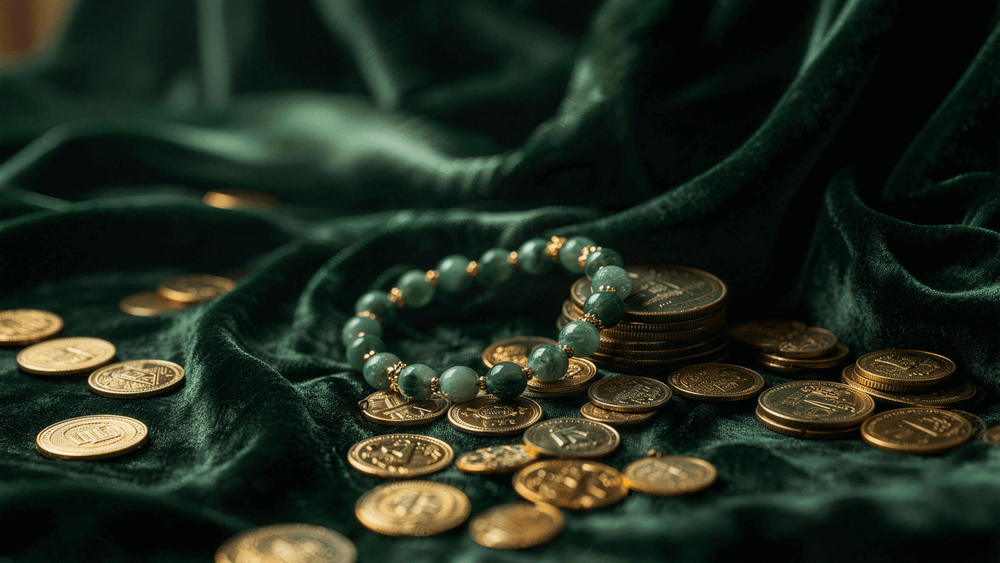
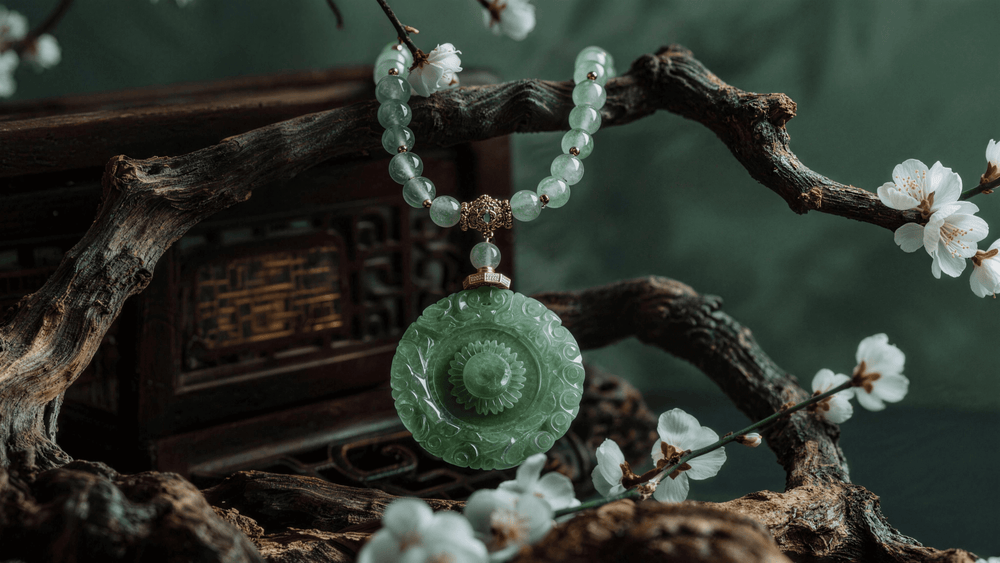
A jade pendant may feel more private, close to the center of the body. A jade bracelet may feel more active, visible during movement. Jade beads may feel tactile, giving the hand something steady to return to. Each form changes how the meaning enters daily life.
The key is not which form is more powerful. The key is which form the wearer will actually use. A simple bracelet worn every week can carry more meaning than a dramatic piece kept in a drawer.
Jade Color Cues for Virtue
Color changes how jade virtue feels. Green is the most familiar jade color for many people. It can suggest growth, balance, gentleness, and living refinement. Green jade-style jewelry often feels close to nature and easy to wear daily.
White jade or white jade-style tones can suggest clarity, simplicity, clean conduct, and quiet formality. White is useful for people who want jade meaning without a strong color statement. It can feel calm, precise, and modern.
Dark green can suggest depth, endurance, and more serious composure. It gives jade meaning visual weight. This can fit someone who wants the symbol to feel grounded rather than light.
Honey, yellow, or warm neutral tones can suggest maturity, warmth, generosity, and steady presence. These tones can make jade jewelry feel softer in a gift context.
Black or very deep tones can suggest focus, restraint, and disciplined quiet. They are useful for people who want jade meaning to feel less delicate and more composed.
Color should be treated as a cue, not a fixed result. Choose the color that helps you remember the standard you want to practice.
Mixed Jade Flower Bracelet: A TheFuMaster Example
The Mixed Jade Flower Bracelet is a natural example of jade virtue in wearable form. It combines jade-style beads with a soft flower charm, creating a piece that feels gentle, refined, and easy to return to in daily life.

The mixed tones make the bracelet feel approachable rather than severe. The flower detail adds softness, which keeps the piece from feeling overly formal. Together, the bracelet fits the idea of virtue as daily refinement: not loud, not distant, but close enough to guide ordinary conduct.
This is a useful piece for someone who wants jade meaning without a heavy visual statement. It can work as a workday bracelet, a quiet gift, or a personal reminder to keep speech, pace, and choices aligned with a calmer standard.
For more wrist-based pieces, explore TheFuMaster's Bracelets collection. If the goal is clearer attention and composed action, the Clarity & Focus collection is another relevant path.
Who Should Choose Jade for Virtue, Not Decoration?
Choose jade for virtue if you want a piece that feels quiet, refined, and connected to personal conduct. It suits people who prefer meaning without loud symbolism. It also suits people who want a piece they can wear often, not only on special days.
This kind of jade jewelry fits workdays, quiet mornings, personal resets, thoughtful gifts, and seasons when someone wants to return to a clearer standard. It is especially good for people who want their jewelry to feel calm but not empty.
It may not be the right choice for someone who wants a bold animal symbol, a high-contrast statement, or a very direct Feng Shui image. Dragon, Snake, Pixiu, or black stone designs may feel stronger for those needs. Jade is better when the message is refinement and conduct.
A useful gift note might say: "May this piece remind you to carry beauty with restraint and strength with gentleness." That sentence keeps the meaning human and specific.
How to Choose Jade Jewelry With This Meaning
Start with material language. Does the product describe natural jade, nephrite, jadeite, mixed stone, treated stone, or jade-style design? A piece does not need to be museum-grade to be meaningful, but the wording should be clear. Honest material language builds trust.
Next, choose the color. Green can suggest living refinement. White can suggest clarity. Dark green can suggest endurance. Warm tones can suggest maturity. Black or deep tones can suggest focus. The best color is the one that helps the wearer remember the intended standard.
Then choose the form. A bracelet is visible during action. A pendant is more private. A bead strand is tactile. A small charm is subtle. The right form depends on the person's daily rhythm.
Finally, ask whether the piece will actually be worn. Jade virtue becomes stronger through repetition. A piece that fits the body, wardrobe, and lifestyle will carry more meaning than a more dramatic piece that stays unused.
Common Misunderstandings About Jade Virtue
The first misunderstanding is that jade is only green. Green is famous, but jade and jade-style jewelry can appear in white, cream, yellow, brown, black, dark green, and mixed tones. Each color changes the mood of the piece.
The second misunderstanding is that jade is only a status object. Some jade pieces are rare and valuable, but jade meaning is not limited to price. A personal piece can still carry a standard when chosen with understanding.
The third misunderstanding is that wearing jade automatically makes someone refined. It does not. Jade is a reminder of virtue, not a replacement for practice.
The fourth misunderstanding is that decoration and meaning are the same. A piece can be beautiful without being meaningful to the wearer. Meaning begins when the wearer understands and returns to the symbol.
The fifth misunderstanding is that jade must look dramatic to matter. Jade often works best when it is subtle enough to live with. Its quietness is part of its strength.
FAQ
Why does jade symbolize virtue?
Jade symbolizes virtue because Chinese culture has long connected the material's smoothness, firmness, clarity, and refinement with qualities of cultivated character and conduct.
Is jade only decorative?
No. Jade can be decorative, but its deeper meaning points to restraint, steadiness, clarity, and personal standard. It is beauty connected with conduct.
What virtues are associated with jade?
Jade is often associated with qualities such as kindness, uprightness, wisdom, courage, purity, restraint, and refinement. Different sources describe the list differently, but the larger idea is cultivated character.
What does jade jewelry mean?
Jade jewelry can mean calm conduct, refined presence, continuity, and a daily reminder to keep beauty connected with behavior.
Does wearing jade make someone virtuous?
No. Wearing jade does not create virtue automatically. It can remind the wearer to practice a standard, but the conduct still belongs to the person.
What is the difference between jade meaning and jade decoration?
Jade decoration focuses on appearance. Jade meaning focuses on what the piece reminds the wearer to practice: clarity, restraint, steadiness, and refined conduct.
What color jade should I choose for virtue symbolism?
Choose by the quality you want to remember. Green can suggest living refinement, white can suggest clarity, dark green can suggest endurance, warm tones can suggest maturity, and black can suggest focus.
Is jade a good daily bracelet?
Yes, when the size, construction, and style fit your routine. A daily jade bracelet can work well because it stays visible during ordinary actions.
Is jade a good gift?
Yes. Jade can be a thoughtful gift because its meaning is warm, refined, and not overly loud. It works especially well when paired with a note about conduct, steadiness, or quiet strength.
How should I choose jade jewelry?
Look at material language, color, comfort, form, and whether the wearer will actually use the piece. Meaning becomes stronger when the jewelry fits daily life.
Which TheFuMaster piece fits jade virtue meaning?
The Mixed Jade Flower Bracelet fits jade virtue meaning because it combines jade-style beads with a gentle flower detail, making refinement feel wearable and close to daily conduct.
Can jade symbolism be modern?
Yes. Jade symbolism remains modern because the idea of beauty joined with conduct still matters. A jade piece can support a contemporary wardrobe while carrying an older cultural standard.
Final Thought
Jade symbolizes virtue because it does not separate beauty from behavior. Its quietness is not emptiness. Its smoothness is not weakness. Its refinement is not performance. Jade asks the wearer to remember that the outside should answer to an inner standard.
That is why jade is more than decoration. It is a small visible form of a larger question: how do I carry myself when no one is forcing me to be refined?
Wear jade in that spirit. Let it remind you to keep clarity in your choices, restraint in your words, steadiness in your movement, and beauty in your conduct.