The Quiet Role Jade Has Always Played
Jade meaning in Chinese culture is quiet but deep: it represents virtue, refinement, continuity, calm conduct, and the link between beauty and character. Jade is not valued only because it is green or expensive. In Chinese cultural memory, jade has long been a material people used to think about how a person should carry themselves: gentle, clear, steady, and difficult to bend away from principle.
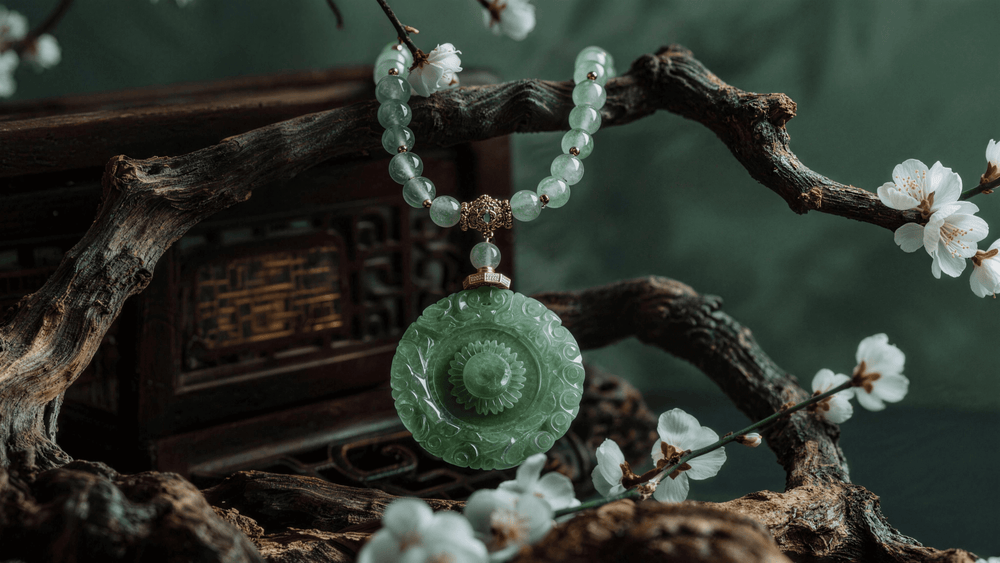
That is why jade jewelry feels different from loud statement jewelry. A jade-style bracelet or pendant does not need to announce power. It works through touch, color, smoothness, and daily presence. When a person wears jade, the meaning is often less about attracting attention and more about remembering a standard: act with restraint, choose with care, and let beauty stay close to conduct.
For TheFuMaster, jade belongs at the center of meaningful jewelry because it is culturally grounded and easy to live with. It can be worn to work, during quiet mornings, on ordinary errands, or as a gift for someone entering a calmer season. The strongest jade piece is not the one that promises an outcome. It is the one a person can wear often enough for the meaning to become part of daily rhythm.
What Does Jade Mean in Chinese Culture?
In Chinese culture, jade is commonly associated with virtue, refinement, purity of conduct, endurance, and cultivated character. It has appeared in art, personal ornaments, formal objects, and everyday adornment for thousands of years. Its meaning is not limited to beauty. Jade became a way to speak about the kind of person one hoped to become.
This is why old Chinese writing often connects jade with moral qualities. The stone is smooth but firm. It can look gentle without feeling weak. It can be polished over time, yet it does not lose its inner density. These physical qualities became easy metaphors for conduct: kindness with strength, clarity without harshness, and elegance without vanity.
Modern readers may first encounter jade through bracelets, bangles, pendants, beads, carved charms, or family heirlooms. Even then, the older meaning remains useful. Jade asks a simple question: can beauty remind you to live with more care? That question is why jade still feels relevant outside museums and collections.
Jade is quiet because its meaning is not performance. It is a daily standard made visible.
Why Jade Feels Quiet Rather Than Loud
Many meaningful symbols are visually strong. Dragon has presence. Snake has curve and tension. Pixiu has force. Jade works differently. Its strength is usually not dramatic. It is tactile, polished, and close to the skin. The meaning grows through repeated wear rather than one dramatic moment.
This quiet quality is part of jade's appeal. A jade bracelet can sit beside a watch, a shirt cuff, or a simple sweater without demanding the whole outfit. A jade-style bead can be touched during a pause. A small pendant can rest near the chest without becoming theatrical. The symbol does not have to be loud to be clear.
Quiet does not mean weak. In fact, jade's cultural power comes partly from this contrast. The stone is smooth to the hand but difficult to work. It can be delicate in color while still carrying density. It invites refinement, but it does not collapse into softness. The best jade symbolism holds both qualities at once.
This is also why jade is useful for people who want meaning without performance. Some symbols feel best when they are bold. Jade often feels best when it is lived with. It becomes a private standard the wearer can return to in ordinary moments.
A Short History of Jade in China
Jade has been valued in China since very early periods of Chinese civilization. Museum sources describe ancient Chinese jades as dating back to early archaeological cultures, including objects associated with Neolithic sites. Over time, jade appeared in personal ornaments, carved forms, courtly objects, scholar objects, and pieces connected with rank, memory, and cultural identity.
Part of jade's importance came from the difficulty of working it. Jade cannot simply be cut like a soft material. It must be ground, drilled, shaped, and polished with patience. That process matters because it gives jade a natural link to refinement. The finished piece carries the evidence of time and skill.
Jade also moved through different social meanings. In early periods, certain jade forms belonged to formal and elite contexts. Later, jade also became part of personal adornment, collecting, gifting, and everyday beauty. This shift is important for modern jewelry: jade no longer belongs only behind glass or in elite collections. It can be worn as a small daily reminder.
The quiet role of jade comes from this long movement between material, art, status, and conduct. It has never been only one thing. It is stone, craft, memory, beauty, and ethical metaphor at once.
Nephrite, Jadeite, and the Word Jade
One reason jade can be confusing is that the word is used broadly. In mineral terms, true jade usually refers to nephrite or jadeite. Nephrite has a long history in ancient Chinese jade culture. Jadeite became highly valued later, especially for bright green color. In English-language shopping, people may also see "jade-style" or "jade-like" used for appearance rather than strict mineral identity.
This article is about meaning, not gemstone authentication. Still, the distinction matters because readers should understand that jade is not one simple thing. Color, material, treatment, carving quality, bead finish, and construction all affect the actual piece. A meaningful purchase should not rely on symbolism alone.
For jewelry buyers, the practical point is simple: read the product description carefully. Ask whether the seller is describing natural jade, jadeite, nephrite, treated stone, composite material, or jade-style design. If a piece is chosen mainly for symbolic meaning and daily wear, that can still be valid. But the language should be clear.
TheFuMaster's product writing should respect this boundary. When a piece is jade-style or mixed jade-style, the article should not pretend to make a strict museum or laboratory claim. Trust comes from clarity. Meaning becomes stronger when the material story is honest.
Jade and Virtue: The Character Behind the Stone
One of the deepest jade meanings is the connection between stone and character. Classical Chinese explanations often describe jade through qualities such as kindness, uprightness, wisdom, courage, and purity. The important point is not to memorize a fixed list. The important point is that jade was read as a moral image.
The surface of jade can feel warm and smooth. That quality became a way to speak about gentleness. The stone can appear clear or softly translucent. That became a way to speak about inner honesty. Jade can be worked into refined form, but it resists careless handling. That became a way to speak about strength with restraint.
This is why jade is different from a trend color. A green accessory can be pretty. A jade symbol carries a longer question: what kind of conduct does this beauty ask from me? That question is what gives jade jewelry its depth.
For a modern wearer, jade virtue does not need to sound formal. It can be translated into everyday language: stay clear, stay kind, do not become coarse under pressure, keep your standard, and let quiet beauty shape how you move.
Why Jade Became a Daily Object
Jade's long history includes exceptional pieces made for powerful people and important settings, but jade also became meaningful because it could be held, worn, and carried. A material that only sits in a display case can be admired. A piece worn on the body can become part of behavior.
This is where jewelry matters. A bracelet is not only seen. It is felt. It moves with the wrist. It appears when the wearer types, writes, signs, reaches, or pauses. A pendant touches clothing and skin. A bead strand can be handled during a quiet moment. These small contacts make meaning repeatable.
Jade is especially suited to repetition because it does not exhaust the eye. Loud symbols may feel powerful for a moment but difficult to wear every day. Jade can stay close without demanding attention. That is why it often fits people who want a piece to become part of daily identity rather than a temporary mood.
In this sense, jade jewelry is less about display and more about return. The wearer returns to a color, a surface, a weight, a private sentence, or a chosen standard. Over time, that return can become the real meaning of the piece.
What Jade Is Not
Jade is meaningful, but it should not be treated as an automatic outcome. A bracelet cannot make a weak decision strong. A pendant cannot replace self-discipline, communication, skill, care, or honest work. A symbol becomes useful when it helps a person stay awake to their own choices.
This boundary does not make jade less valuable. It makes jade more mature. The best symbolic objects do not ask people to become passive. They ask people to remember. Jade can remind someone to slow down before reacting, keep their words clean, choose refinement over noise, or return to a calmer standard.
It is also important not to turn jade into a generic answer for every desire. Some people choose jade for beauty. Some choose it because of family memory. Some choose it for cultural connection. Some choose it because the color calms their style. Some choose it as a gift because it feels lasting. These are all valid reasons.
The mistake is forcing one dramatic meaning onto every piece. Jade is strongest when the meaning stays specific, grounded, and wearable.
Jade Color Cues and Their Meanings
Jade color can shape how a piece feels. Soft green is the color many people imagine first. It can suggest growth, renewal, gentleness, and steady refinement. A soft green jade-style bracelet often feels calm enough for daily wear while still carrying cultural recognition.
White jade or white jade-style tones can suggest clarity, simplicity, restraint, and clean conduct. White does not need to feel empty. It can feel precise, calm, and quietly formal. For someone who prefers minimal jewelry, white can make jade meaning feel more modern.
Dark green can suggest depth, endurance, and grounded composure. It feels more serious than pale green and can suit people who want jade meaning with more visual weight. Darker tones often work well with black, brown, gold, or deep green wardrobes.
Honey, yellow, or warm neutral jade-style tones can suggest maturity, generosity, warmth, and steadiness. These tones are useful when the wearer wants jade to feel less cool and more welcoming. They can also make a bracelet feel softer in a gift setting.
Black or very deep tones can suggest focus, restraint, and quiet seriousness. They are less traditional in the popular imagination of jade, but they can fit a person who wants the refinement of jade meaning without a bright color statement.
Color should be treated as a cue, not a fixed result. Choose the color that helps you remember the quality you actually want to practice.
Jade Jewelry Meaning
Jade jewelry represents calm conduct, refinement, continuity, and the beauty of a standard carried close to the body. A jade piece can be a reminder to act gently without becoming weak, to stay clear without becoming cold, and to keep your inner standard even when the day becomes noisy.
Bracelets are especially practical because they are visible during ordinary action. When the wearer reaches for a phone, opens a door, writes a note, or rests a hand on a desk, the bracelet appears. That repeated visibility turns meaning into something usable.
Pendants work differently. They sit closer to the center of the body and can feel more private. A jade pendant may suit someone who wants the meaning near the heart or chest rather than constantly visible at the wrist. Beads and small charms can sit between these two forms.
The best choice depends on daily rhythm. A person who uses hands often may enjoy a bracelet as a visible reminder. A person who wants something subtler may prefer a pendant. A gift buyer may choose based on the recipient's style, not only the symbolism.
Mixed Jade Flower Bracelet: A TheFuMaster Example
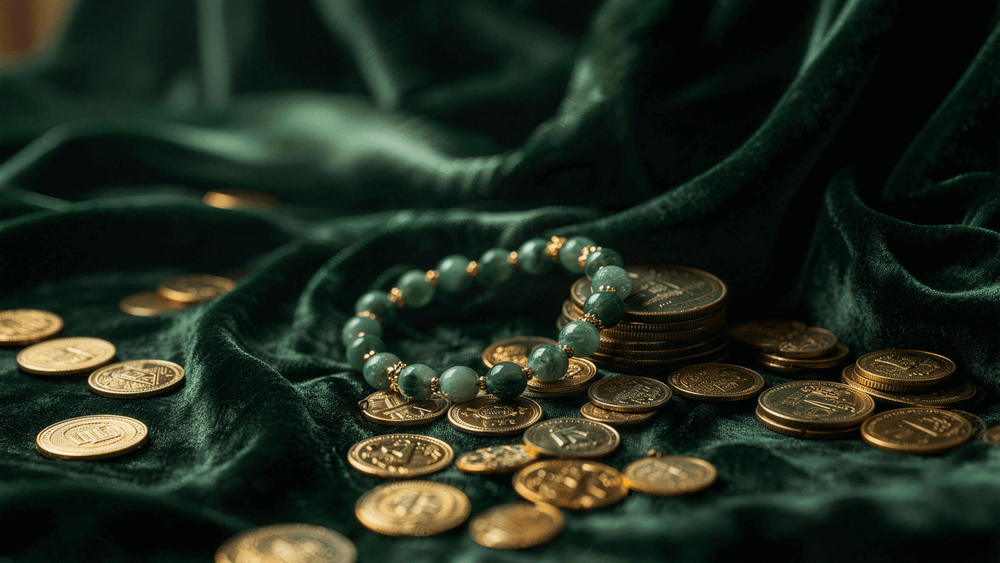
The Mixed Jade Flower Bracelet is a natural example of jade meaning in wearable form. It combines jade-style beads with a white flower charm, creating a softer expression of refinement, gentleness, and daily presence.

The mixed tones make the bracelet feel less rigid than a single-color strand. The flower detail adds softness and makes the piece easier to wear with daily clothes. Instead of turning jade into a heavy symbol, the design keeps it approachable.
This bracelet fits someone who wants meaning without visual pressure. It can support a calm personal style, a softer workday look, or a gift message about steadiness and gentle refinement. The point is not to make the piece perform for the wearer. The point is to let the piece remind the wearer of a quality they already want to practice.
If you want more wrist-based pieces, explore TheFuMaster's Bracelets collection. If your main intention is clearer attention and composed action, the Clarity & Focus collection is also a useful path.
Who Should Choose Jade Jewelry?
Jade jewelry is a strong choice for people who prefer quiet meaning over loud symbolism. It suits someone who wants a daily piece that feels gentle, refined, and culturally rooted. It can also suit people who are drawn to softness but still want the piece to carry a clear standard.
It works well for daily work because jade-style colors are easy to pair with neutral clothing. It works well for a calmer season of life because it does not demand constant intensity. It works well as a gift because the meaning is generous without being too personal or difficult to explain.
Jade may not be the best choice for someone who wants a very bold symbol, sharp contrast, or obvious statement piece. Dragon, Pixiu, Snake, or black stone designs may feel more direct for that kind of wearer. Jade is usually better for someone who wants meaning to stay close and steady.
A useful gift note might say: "May this piece remind you to move through this season with quiet strength and a clear standard." That sentence keeps the meaning warm without promising anything it cannot promise.
How to Choose Jade Jewelry
Start with the reason. Are you choosing jade for cultural connection, color, daily calm, gift meaning, or personal refinement? If the reason is clear, the choice becomes easier. Without a reason, people often choose only by shade and then stop wearing the piece.
Next, look at material language. Does the seller describe the piece as jade, nephrite, jadeite, treated jade, mixed stone, or jade-style? Clear wording matters. A symbolic piece does not need to be museum-grade, but it should not be described carelessly.
Then look at wearability. A bracelet should fit comfortably and not fight your daily movements. A pendant should sit at a length you will actually wear. A color should work with your clothing. A meaningful piece that stays in a drawer is less useful than a simpler piece worn often.
Finally, consider the symbol added to the jade. A flower charm makes jade feel softer. A dragon makes it more commanding. A simple bead strand keeps the focus on material and color. A gold accent warms it. A black cord makes it more casual. These design choices change how the meaning lands.
Common Misunderstandings About Jade
The first misunderstanding is that jade is always green. Green jade is famous, but jade and jade-style jewelry can appear in white, cream, yellow, brown, black, dark green, and mixed tones. Color changes the mood of the piece.
The second misunderstanding is that jade is only for collectors. Exceptional jade objects belong to art history and collecting, but jade meaning can also live in a bracelet, pendant, bead, or small charm worn daily. A personal piece does not need to be rare to be meaningful.
The third misunderstanding is that jade jewelry automatically changes one's life. A symbol can remind, focus, and steady attention, but the wearer still has to act. This is not a weakness of jade. It is the point of meaningful jewelry.
The fourth misunderstanding is that jade meaning is only decorative. Decoration is part of jade, but it is not the whole story. Jade also speaks to conduct, restraint, refinement, and continuity.
The fifth misunderstanding is that jade has to look dramatic to matter. Jade often works best when it is subtle enough to stay close. The more often a piece is worn, the more chances it has to become part of daily behavior.
FAQ
What does jade mean in Chinese culture?
Jade commonly represents virtue, refinement, continuity, purity of conduct, and quiet beauty in Chinese culture. It is valued not only for appearance, but for the character it symbolizes.
Why is jade important in Chinese history?
Jade has been used in China since very early periods of civilization. It appeared in ornaments, formal objects, art, personal adornment, and elite collections, becoming a lasting cultural material.
Is jade always green?
No. Jade and jade-style materials can appear in green, white, cream, yellow, brown, black, and mixed tones. Green is famous, but it is not the only meaningful color.
What is the difference between nephrite and jadeite?
Nephrite and jadeite are the two main minerals commonly called true jade. Nephrite has the longer history in ancient Chinese jade culture, while jadeite became especially valued later for bright green color.
Is jade jewelry lucky?
Jade jewelry can carry auspicious and meaningful symbolism, but it should not be treated as an automatic outcome. Its stronger use is as a daily reminder of conduct, calm, and intention.
How should I wear jade jewelry?
Wear jade jewelry in a way that fits your daily life. A bracelet works well as a visible wrist reminder, while a pendant feels more private and close to the chest.
What color jade should I choose?
Choose by the quality you want to remember. Soft green can suggest renewal, white can suggest clarity, dark green can suggest depth, warm tones can suggest maturity, and black can suggest focus.
Can men wear jade jewelry?
Yes. Jade meaning is not limited by gender. Men can wear jade bracelets, pendants, beads, or small accents when the style fits their clothing and personal rhythm.
Is jade a good gift?
Yes. Jade can be a thoughtful gift because its meaning is warm, refined, and not overly loud. It works well for birthdays, new chapters, calmer seasons, and meaningful daily wear.
What does a jade bracelet symbolize?
A jade bracelet can symbolize calm conduct, continuity, refinement, and steady presence. Because it is worn on the wrist, it becomes visible during ordinary daily actions.
Which TheFuMaster piece fits jade meaning?
The Mixed Jade Flower Bracelet fits jade meaning because it combines jade-style beads with a soft flower detail, making the symbol wearable, gentle, and easy to return to daily.
How do I choose between jade and other symbols?
Choose jade when you want quiet refinement and daily steadiness. Choose a stronger animal or Feng Shui symbol when you want something more visually direct. The best piece is the one you will actually wear.
Final Thought
The quiet role jade has always played is not small. It is quiet because it does not need to shout. Jade holds beauty close to conduct. It asks a person to think about how they move, how they speak, how they choose, and what standard they return to when life becomes noisy.
That is why jade remains meaningful in modern jewelry. It can be historical without feeling distant. It can be beautiful without becoming empty. It can be soft in color and still firm in character.
Wear jade in that spirit. Let it remind you that refinement is not decoration alone. It is a way of carrying yourself, again and again, through ordinary days.