From Earth to Wrist: How Jewelry Materials Travel
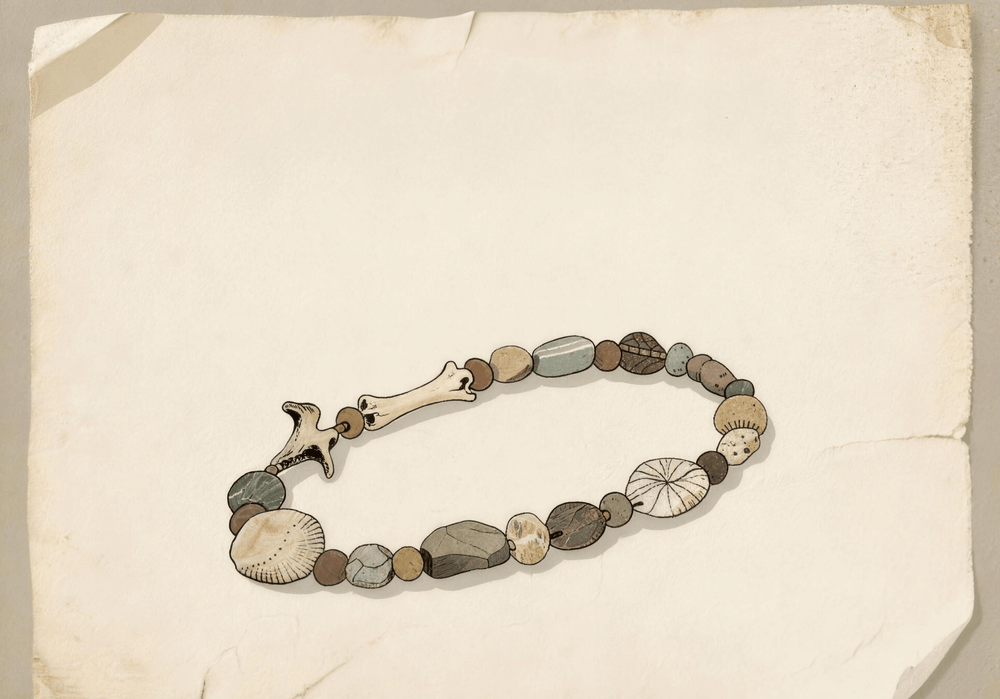
“From earth to wrist” means a jewelry material becomes wearable through source, sorting, cutting, polishing, drilling, stringing, design, care, and finally personal meaning. A bracelet does not become meaningful only because a story is attached to it. Its meaning grows through material origin, surface, color, touch, craft decisions, and the wearer’s daily relationship with the piece.
This is the grounded way to understand jewelry materials. Jade-style beads, obsidian, bodhi seed, tiger eye, sandalwood, agate, pearls, cords, charms, and metal accents all begin as material realities before they become symbols. They have color, texture, weight, durability, variation, and care needs. Those physical qualities shape how the jewelry feels on the body.
For TheFuMaster, the journey from earth to wrist is not only a supply chain. It is the path by which material becomes touch, color becomes mood, craft becomes form, and a bracelet becomes part of a daily life.
What Does “From Earth to Wrist” Mean?
“From earth to wrist” describes the full path of jewelry materials from natural source to wearable object. A material may be mined, gathered, selected, sorted, cut, polished, drilled, strung, designed, checked, packed, shipped, and finally worn. At each step, the material changes. It moves from raw possibility into something the body can actually meet.
This phrase is useful because many jewelry descriptions jump directly from material name to symbolic meaning. They say “jade,” “obsidian,” “tiger eye,” or “bodhi seed,” then immediately attach a feeling. But the material has a real journey before the feeling begins. It has to be shaped into a bead, matched with other components, placed in a design, and made comfortable enough for daily wear.
That journey matters. A bracelet that feels good on the wrist is not only a story. It is bead size, cord tension, surface finish, weight, spacing, accent placement, and fit. A meaningful piece should be able to live in ordinary moments: typing, walking, holding a cup, packing a bag, or pausing before a conversation.
A bracelet begins as material, but it becomes meaningful through craft, touch, care, and the life it enters.
The Material Journey: Source, Sort, Shape, Finish
The first stage is source. For gemstone and stone-style jewelry, this may involve rough material coming from earth, river, mine, workshop stock, or supplier inventory. For seed or wood beads, the origin may be organic material that must be cleaned, dried, shaped, and prepared. The source does not automatically tell the whole story, but it begins the path.
The second stage is sorting. Not every piece of material becomes jewelry. Materials are separated by size, color, texture, stability, usable surface, and how well they can be shaped. In bead jewelry, sorting matters because a strand needs visual rhythm. If the beads feel too mismatched, the bracelet may look careless. If they are too identical, the natural character may disappear.
The third stage is shaping. Rough material becomes a bead, cabochon, pendant, charm, or carved form. Shaping decides how the material meets the eye and hand. A round bead feels different from a faceted bead. A flat pendant feels different from a carved charm. A smooth polish feels different from a matte surface.
The fourth stage is finishing. Cutting and polishing bring out color, surface, and light. A polished bead may reveal depth that rough material cannot show. A poor finish can make a piece feel dull, scratchy, or unfinished. This is why material education matters for buyers: the same material name can feel very different depending on how it is handled.
The fifth stage is assembly. Once the components are ready, the design must decide order, spacing, cord, elastic, metal accents, charms, and closure. At this point, material becomes wearable structure. A bracelet is no longer only jade-style beads or a flower charm. It becomes a designed relationship between the wrist, the eye, and the hand.
Why Natural Variation Matters
Natural and natural-style materials often vary in color, texture, and shape. This is not automatically a flaw. It is part of the reason people choose these materials instead of machine-perfect plastic uniformity. A slight shift in green, pink, orange, purple, or cloudy tone can make a bracelet feel alive.
For buyers, natural variation should be understood clearly. Variation does not mean poor craft. It means the material is not a flat digital color. It may have inner clouds, lighter and darker zones, small surface differences, or bead-to-bead changes. Good design uses these differences deliberately so the final piece feels balanced.
Matching beads takes selection. In a bracelet with mixed colors, the maker has to consider rhythm. Too much of one color can dominate. Too many strong tones can feel noisy. Softer beads may need to sit beside brighter beads so the strand feels calm rather than random.
This is especially important for jade-style jewelry. Buyers may expect every bead to match perfectly, but many meaningful jade and jade-style designs use variation as part of their charm. A mixed palette can feel more garden-like, more personal, and more suitable for daily wear than a single formal color.
Color, Texture, and Weight: How Material Reaches the Body
Material meaning begins with the senses. Color reaches the eye first. Green may feel fresh and steady. Pink may feel gentle. Orange may feel warm. Purple may feel reflective. White may feel clean. Gold-tone accents may add brightness. These impressions are not fixed rules, but they shape the emotional reading of a piece.
Texture reaches the hand. Smooth beads feel different from carved surfaces or woven cord. A smooth bead invites the fingers to move across it. A carved charm asks the eye to pause. A flower accent adds softness to the line of round beads. Texture makes a bracelet more than a flat image.
Weight reaches the body. A very light piece may feel easy and subtle. A heavier piece may feel more present. Bead size changes the experience too. Smaller beads can feel delicate and flexible. Larger beads can feel stronger and more visible. A daily bracelet should match the wearer’s comfort, not only the product photo.
Temperature and surface also matter. Some stone-style beads feel cool at first touch, then warm with the skin. That small change is part of the wearing relationship. The object is not static. It meets the body and becomes familiar through use.
Cutting, Polishing, and Treatment: What Buyers Should Know
Gem education sources often remind buyers that cutting and polishing are essential to the journey of a stone. Rough material rarely looks like finished jewelry. Skilled shaping changes how light, color, texture, and surface appear. A material’s beauty is partly natural and partly brought forward by craft.
Treatments can also affect appearance in the wider gemstone world. Some materials may be dyed, stabilized, heated, filled, coated, or otherwise altered to change color, durability, or surface. The practical lesson for buyers is simple: read product descriptions carefully, respect care instructions, and avoid assuming every material with the same name is identical.
This article is not a gemology course and does not need to teach laboratory testing. The useful point for TheFuMaster readers is buyer awareness. A good jewelry description should help the customer understand what they are wearing: material type, construction, fit, care, and natural variation.
That awareness makes the jewelry more meaningful, not less. When a wearer understands that material has been selected, shaped, finished, and assembled, the bracelet feels less like a random accessory and more like a considered object.
Craft: Turning Material Into a Bracelet
A bracelet depends on small craft decisions. Bead order, cord strength, elastic quality, charm placement, accent color, bead size, and fit all affect the final experience. Two bracelets can use similar materials and still feel completely different because the construction is different.
Stringing is especially important. If the cord is too loose, the bracelet may feel careless. If it is too tight, it may not move well on the wrist. If the bead spacing is wrong, the strand can twist or feel crowded. A bracelet should hold together visually and physically.
Accent pieces also matter. A flower charm changes the mood of a strand. A gold-tone bead can make the palette feel warmer. A white accent can give the eye a place to rest. These details are not decoration after the fact. They are part of how the material story becomes wearable design.
Fit completes the craft. A bracelet that is meaningful but uncomfortable will not become a daily companion. Wrist size, elastic stretch, bead diameter, and how the bracelet sits while the hand moves all decide whether the piece is actually worn or simply admired.
Mixed Jade Flower Bracelet: A TheFuMaster Example
The Mixed Jade Flower Bracelet is a clear example of the earth-to-wrist idea because the design is material-first. Its meaning comes from the mixed jade-style beads, soft color variation, white flower charm, gold-tone accent bead, and the way the bracelet sits as a gentle visual cue on the wrist.

The product line says it is for days when you want to meet people and moments with more gentleness. That works because the bracelet does not shout. Green, pink, orange, and purple tones gather into a soft palette. The flower charm adds a quiet center. The gold-tone detail gives warmth without making the piece feel formal.
The product details also make the material story clear: mixed jade-style beads, white flower charm, gold-tone accent bead, elastic band, and an approximate 14-16 cm wrist fit. The care note says natural materials may vary slightly in color, texture, and shape. That is exactly the kind of expectation-setting a material-focused article should support.
Readers who want to compare similar wrist pieces can explore the Bracelets collection. Readers who want to understand TheFuMaster’s wider material and symbol language can explore the broader Jewelry collection.
Why Jade-Style Materials Feel Different on the Wrist
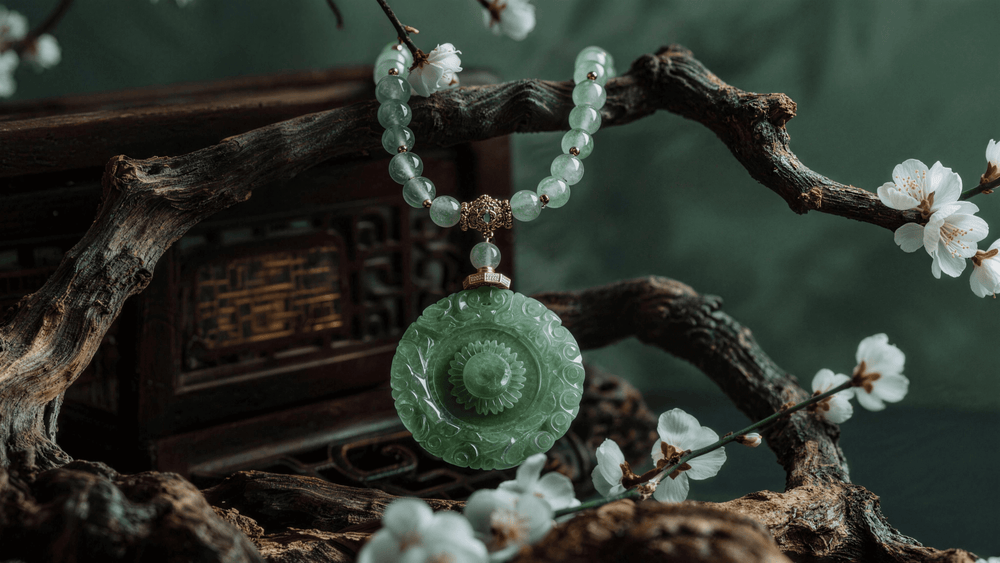
Jade-style materials carry a particular visual and tactile language. They often feel smooth, cool at first touch, and visually layered. Even when the piece is designed for everyday wear rather than formal collecting, jade-style beads can bring a sense of calm color and natural depth.
In Chinese and East Asian cultural memory, jade has long been connected with refinement, moral beauty, and cultivated presence. A modern jewelry article should not reduce that history into a simple claim. The better approach is to say that jade-style materials carry a visual language many wearers recognize: soft polish, quiet color, and a feeling of considered beauty.
Mixed jade-style beads make that language more approachable. A single deep green strand may feel formal. A mixed-color bracelet can feel gentler, younger, and easier to wear with daily clothing. It can be worn not only for special meaning, but also because the colors soften the wrist and meet the eye throughout the day.
This is where material and intention meet. The wearer may choose the bracelet because the colors feel kind, because the flower shape feels open, because the surface is pleasant to touch, or because the piece reminds them to move through the day with more patience. None of that requires exaggerated promises. It only requires a real relationship with the object.
How to Choose Jewelry by Material
Start with daily comfort. A material may be beautiful, but if it feels too heavy, too sharp, too fragile, or too hard to match, it may not become part of everyday life. A bracelet should fit the wearer’s movement, clothing, work habits, and climate.
Next, choose by color you will actually wear. A color may sound meaningful, but it still has to live with your wardrobe and skin tone. Soft mixed colors can be easier for people who do not want a single strong statement. Dark stones can feel grounded and formal. Bright colors can feel more expressive.
Then consider bead size and weight. Small beads may feel flexible and subtle. Larger beads may feel more present and tactile. Elastic bracelets are convenient, while corded or adjustable pieces may offer a different fit. There is no one correct choice; the right material is the one you will return to.
Finally, ask whether you want a material-first piece or a symbol-first piece. Material-first jewelry leads with color, texture, and touch. Symbol-first jewelry leads with an icon such as zodiac, Pixiu, lotus, or Tree of Life. Many strong pieces combine both, but knowing the difference helps you choose with more clarity.
Questions to Ask Before Buying Material-First Jewelry
A material-first piece should answer practical questions before it asks the buyer to fall in love with a story. What is the material described as? Is the bracelet elastic, corded, adjustable, or clasped? What wrist size does it fit? Are natural differences in color, texture, or shape expected? What should the wearer avoid during daily use?
These questions do not make the piece less meaningful. They make the meaning more trustworthy. When a customer understands fit, care, construction, and variation, they can choose the jewelry with less confusion. The object becomes easier to live with because expectations are clear.
For TheFuMaster, this is also part of brand value. A meaningful bracelet should not depend only on beautiful language. It should also give the buyer enough information to understand what will arrive, how it may vary, and how to keep it in good condition. Material education supports trust.
What Jewelry Materials Are Not
Jewelry materials are not shortcuts to results. A stone, bead, seed, or cord does not do the work of a life on its own. TheFuMaster’s stronger position is that material makes meaning visible and touchable, so the wearer can return to an intention through ordinary contact.
Color is not a fixed formula either. Green does not mean the same thing for every person. Pink does not always carry the same mood. Gold-tone accents may feel warm to one wearer and formal to another. Material meaning becomes more useful when it is connected to personal response, not treated as a rigid rule.
A material story should also not replace quality. A beautiful description cannot fix poor construction, weak stringing, uncomfortable fit, or unclear care instructions. The object still has to work as jewelry.
Natural variation is not the same as poor craft. Variation can be expected in natural and natural-style materials. Poor craft is different: weak assembly, careless finishing, rough surfaces, bad fit, or misleading descriptions. A good buyer learns to tell the difference.
Earth to Wrist vs Symbol-First Jewelry
Material-first jewelry begins with texture, color, weight, finish, and construction. The wearer may choose it because the material feels right before any symbol is explained. Mixed jade-style beads, wood beads, bodhi seed beads, and stone bracelets often work this way.
Symbol-first jewelry begins with an icon. Zodiac animals, Pixiu, Tree of Life, lotus, Yin Yang, and other symbols lead with visual meaning. The wearer sees the symbol and connects it to a theme: direction, balance, renewal, focus, or identity.
Hybrid pieces combine both. The Mixed Jade Flower Bracelet is mostly material-first because the mixed jade-style beads define the piece, but the white flower charm adds a soft symbolic accent. That balance makes it easy to wear. It does not require a long explanation, yet it still carries enough detail to feel intentional.
Understanding this difference helps readers shop more honestly. Some days they may want a clear symbol. Other days they may want material presence. Both paths can be meaningful when the piece fits the life it enters.
Care: How the Journey Continues After Purchase
The material journey does not stop when the bracelet arrives. Care becomes part of the relationship. Daily wear exposes jewelry to water, perfume, sweat, chemicals, friction, impact, storage habits, and sunlight. Understanding care helps the piece stay beautiful longer.
For natural stone and bead jewelry, it is usually wise to avoid long-term contact with water, perfume, sweat, and harsh chemicals. Remove bracelets before showering, swimming, or exercising. Store them in a soft pouch or jewelry box when not in use. Avoid friction with hard objects that may scratch or wear the surface.
Elastic bracelets should also be treated with care. Pulling too hard, stretching repeatedly, or storing the bracelet under tension can shorten its life. Beads may crack or chip if dropped or hit with force. A soft cloth wipe after wearing can help remove surface residue.
Care is not a boring afterthought. It is how the wearer participates in the material story. The piece came from material, craft, and design. After purchase, the wearer becomes part of the journey by how they wear, store, and return to it.
FAQ
What does “from earth to wrist” mean in jewelry?
It means jewelry materials move from natural source to wearable form through sorting, shaping, polishing, design, assembly, care, and personal use on the body.
Why do natural jewelry materials vary?
Natural and natural-style materials can vary in color, texture, and shape because they are not machine-identical. Good design uses those differences to create balance and character.
What should I know about cutting and polishing?
Cutting and polishing turn rough material into wearable components. They affect surface, light, comfort, and how the material feels in finished jewelry.
Are mixed jade-style beads all identical?
No. Mixed jade-style beads may vary slightly in color, texture, and shape. That variation is part of the material character and should be expected in this type of design.
How do I choose jewelry by material?
Choose by comfort, color, bead size, weight, care needs, daily use, and whether you prefer material-first jewelry or a clear symbolic design.
How should I care for natural stone bracelets?
Avoid long-term contact with water, perfume, sweat, and chemicals. Store the bracelet in a soft pouch or jewelry box, avoid hard impact, and wipe gently after wearing.
Which TheFuMaster piece shows this material journey?
The Mixed Jade Flower Bracelet shows this journey well because its mixed jade-style beads, white flower charm, gold-tone accent, elastic construction, and color variation all shape the wrist experience.
Final Thought
A bracelet begins as material, but it becomes meaningful through craft, touch, care, and the life it enters. The journey from earth to wrist is not only about where a material came from. It is about how that material becomes something the wearer can see, feel, choose, and return to.
When jewelry is understood this way, the object becomes more honest. It does not need exaggerated language. It has source, surface, color, weight, construction, care, and daily presence. That is enough for a meaningful piece to begin speaking quietly at the wrist.